Ravenloft: The Horrors Within Review
/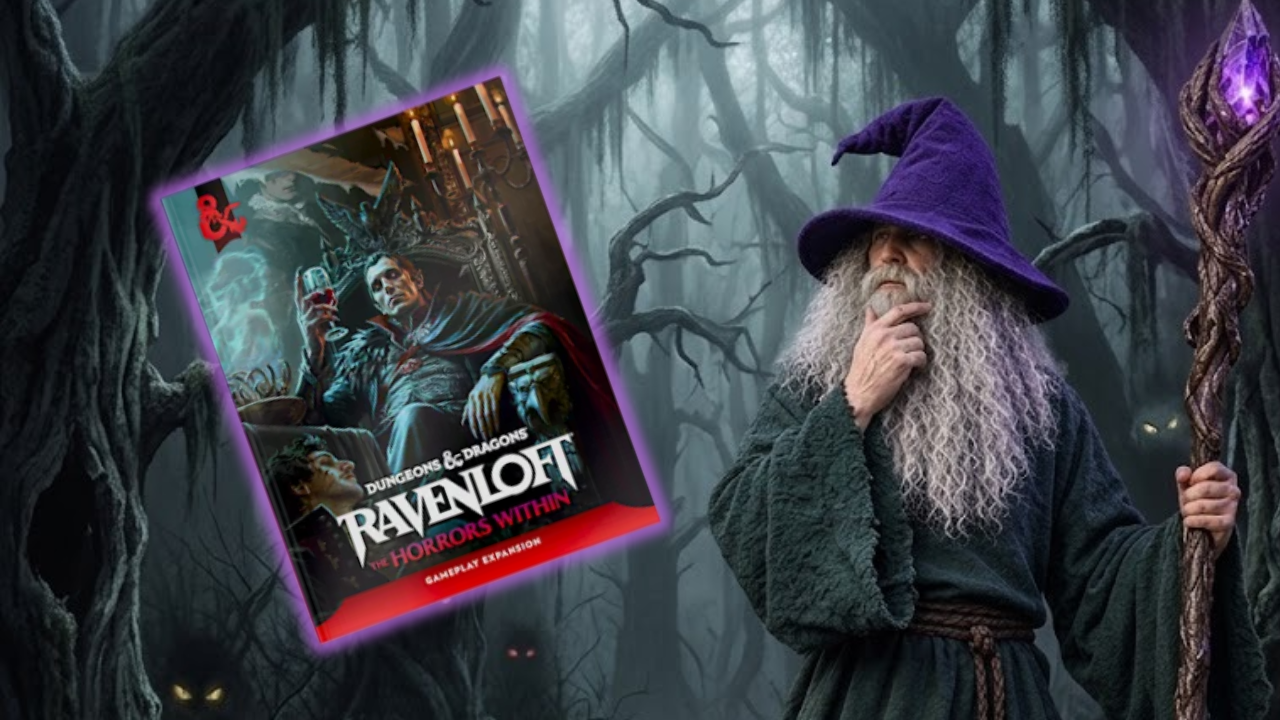
When a new Ravenloft book arrives for Dungeons & Dragons, there’s one question every player and DM asks first: is this the next Curse of Strahd? It’s an understandable reaction. Curse of Strahd is one of the most beloved adventures D&D has ever produced, and it casts a very long shadow over everything released since. So let me answer right away: no, Ravenloft: The Horrors Within is not another Curse of Strahd. It’s a different kind of book, and understanding that difference is the key to deciding whether it belongs on your shelf.
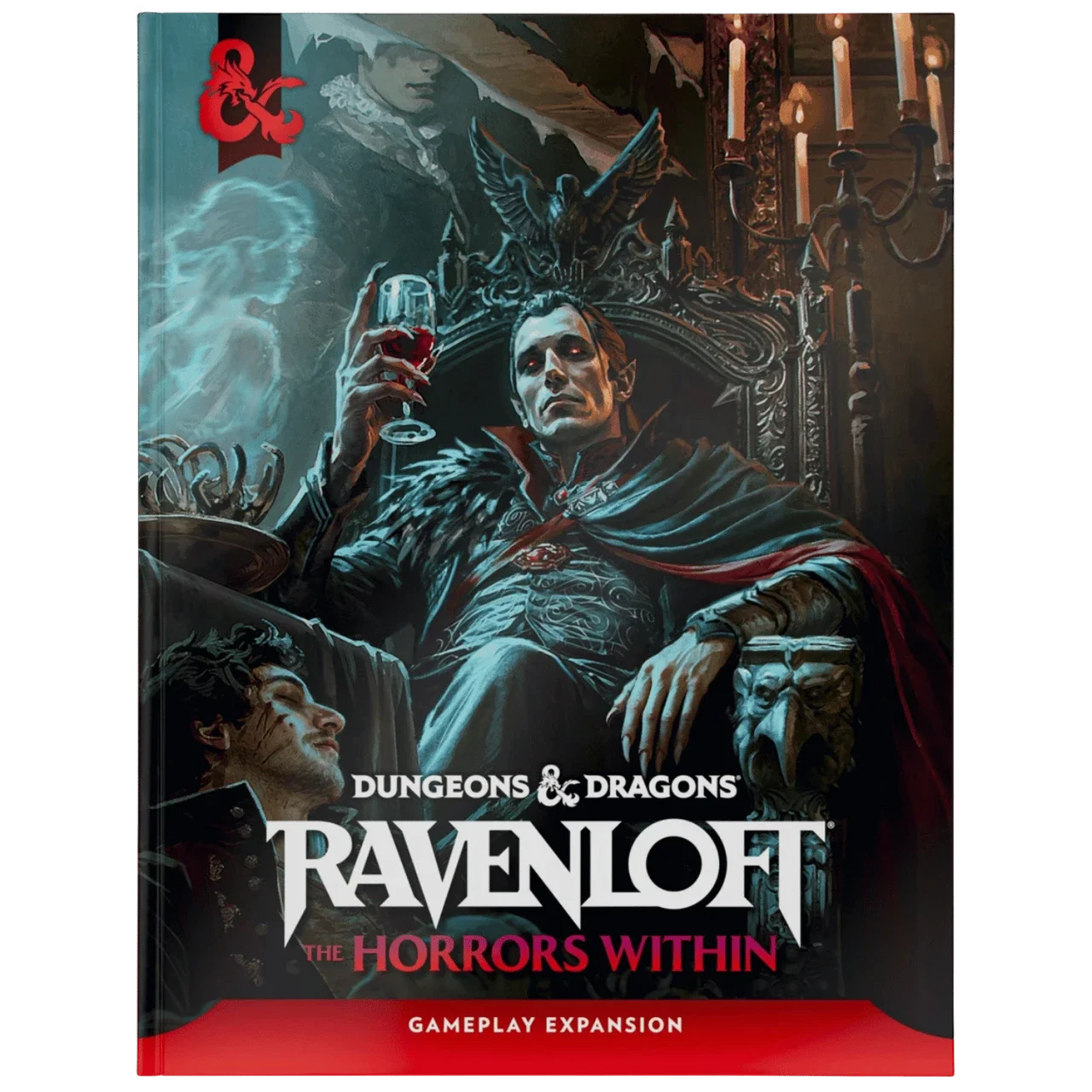
What Ravenloft: The Horrors Within Is
Ravenloft: The Horrors Within is a 288-page hardcover sourcebook for D&D 5.5e. It went on sale on June 16, 2026, with a standard price of $59.99, and it’s the centerpiece of the Season of Horror. It’s the follow-up to 2021’s Van Richten’s Guide to Ravenloft, and it’s designed as a toolbox for both players and Dungeon Masters. When you stop to think about it. getting Curse of Strahd, Van Richten’s Guide to Ravenloft, one could easy ask. “What more could they possibly add?”
Inside you’ll find:
Seven subclasses, four species, four backgrounds, two new origin feats, and nine Dark Gifts
16 Domains of Dread, with Darklords given full stat blocks
Short adventures and campaign arcs for each domain
Guidance on running horror and on building your own Domain of Dread using ten horror genres
51 monster stat blocks
An appendix with rules for the Tarokka deck
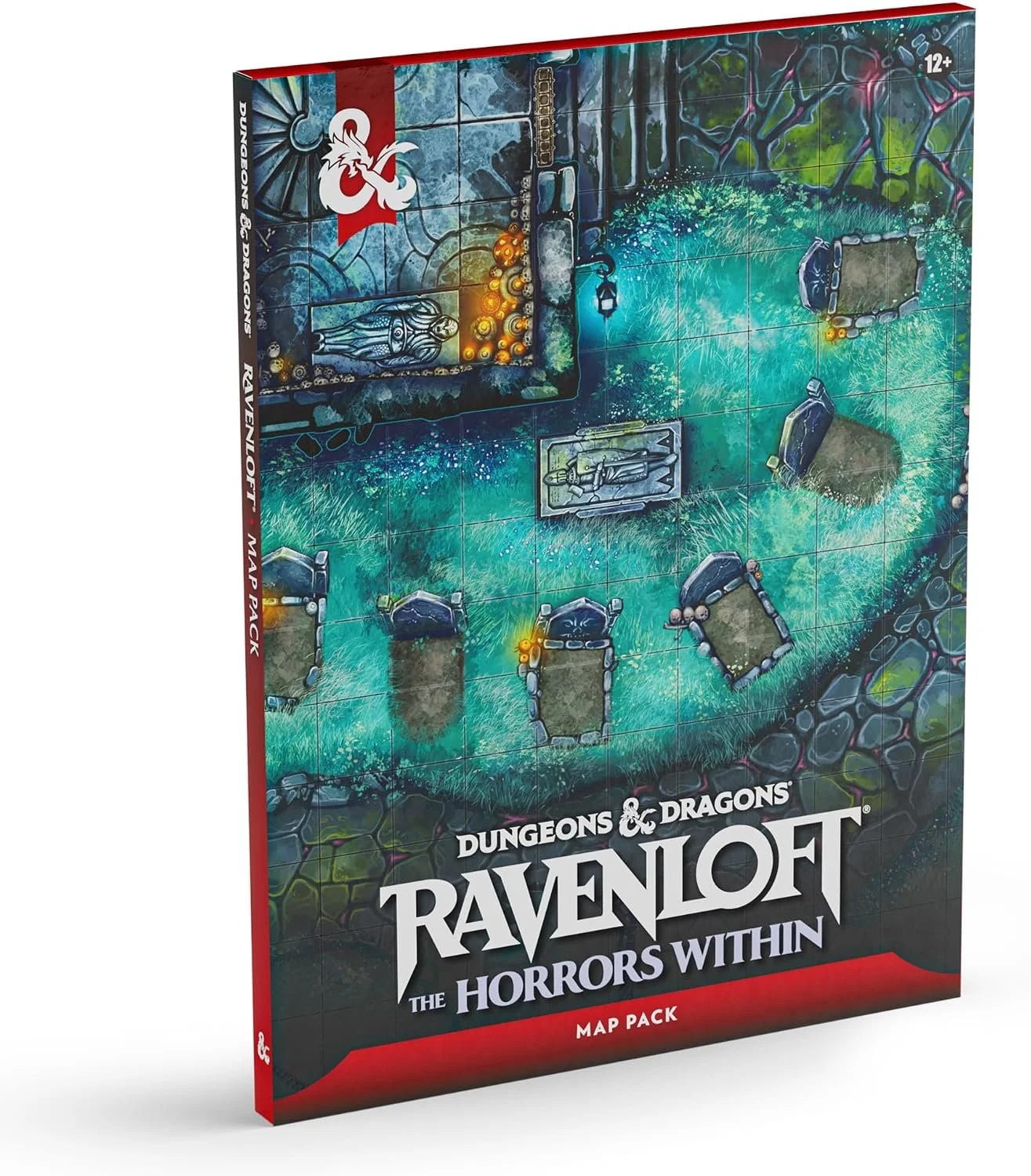
There’s also a separate physical Tarokka deck ($24.99), a DM screen, and a map pack for those who want to go all in.
The Big Difference: Campaign vs. Toolbox
This is the most important thing to understand.
Curse of Strahd is a complete adventure. It’s a single, focused campaign set in the domain of Barovia, with a clear villain, a map to explore, memorable characters, and a story with a beginning, middle, and end. You hand it to a DM, and they can run a whole campaign out of the box. Its open-ended structure and strong characters are what made it a favorite around the world, and a big part of the reason Ravenloft became popular in the first place. You can find a review Curse of Strahd here.
The Horrors Within is a sourcebook. It doesn’t give you one story. It gives you the materials to build many, set across more than a dozen domains and a range of horror styles. As one reviewer put it, it’s a book you keep nearby while running D&D because there’s so much in it to steal. If you want more guardrails, one reviewer suggests sticking with Curse of Strahd, while the DM who likes to dream up their own terrors will be right at home here.
In short:
Curse of Strahd tells you a story.
The Horrors Within helps you tell your own.
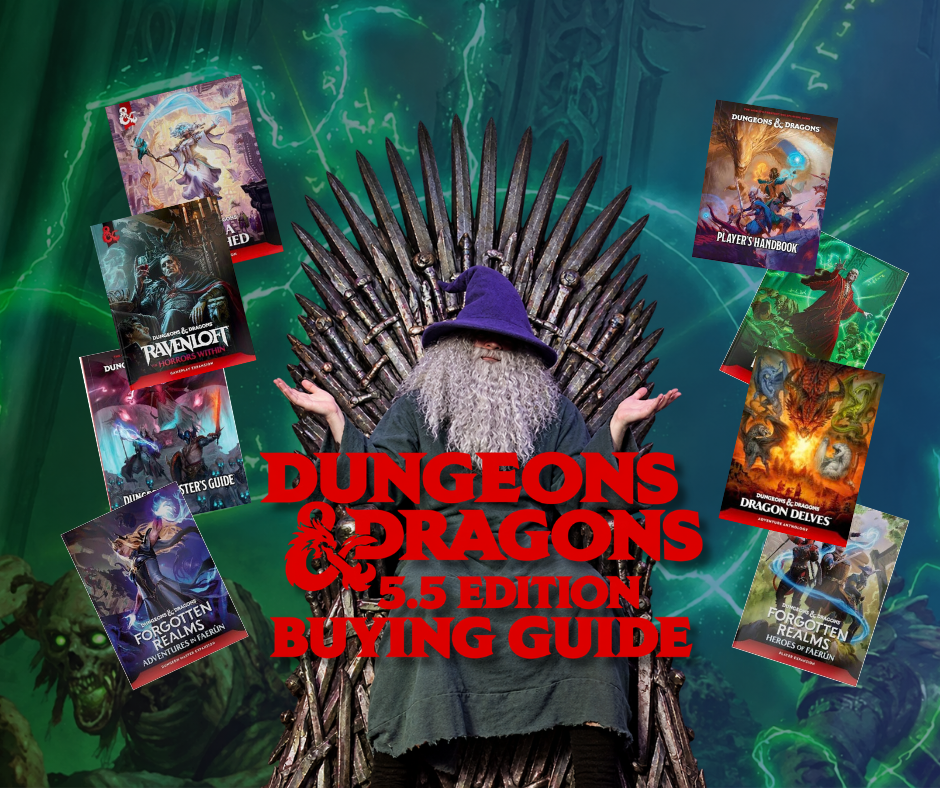
Still not making sense? Check out our article that covers the 5.5 Edition Buying guide for Dungeons and Dragons.
Strahd Himself
Strahd von Zarovich is in both books, but he plays a very different role.
In Curse of Strahd, Strahd is the star. The whole campaign revolves around him: his castle, his motives, his obsession, and the dread of facing him. In The Horrors Within, Barovia is just one of many domains, and Strahd is one Darklord among many. That is a significant change in perspective, and it means a lot less attention is paid to him than longtime fans might expect.
There are changes to his stat block, too. One reviewer noted that Strahd has more hit points but significantly reduced spellcasting, which makes him less threatening in some ways. Another pointed out an oddly weak grapple. Barovia was also described as the one disappointing section, since it largely repeats what fans have seen since Curse of Strahd. If you plan to run the classic campaign, you’ll likely want to keep using your existing version of Strahd and treat this one as an alternative.
The Tarokka Deck
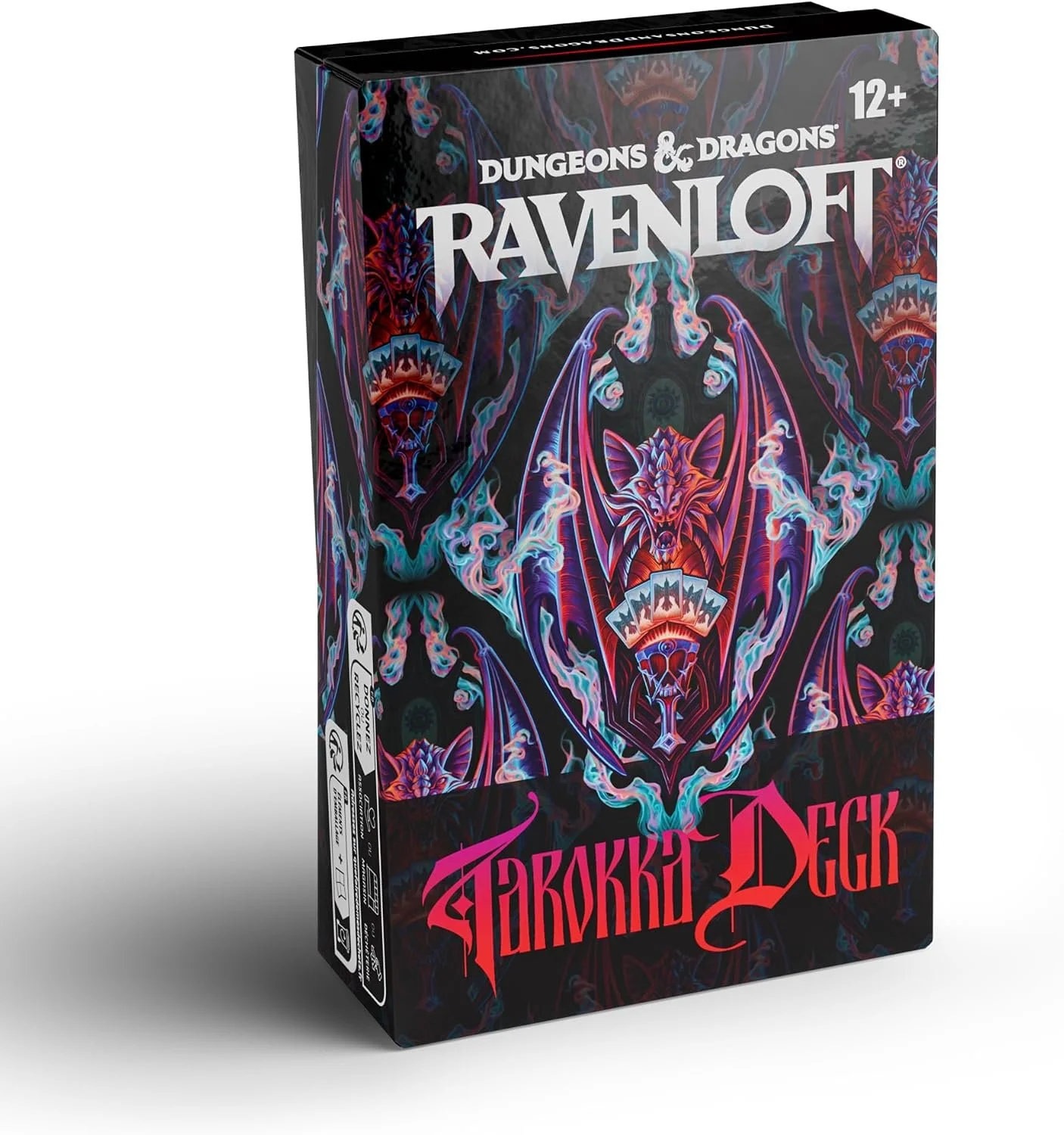
One of the most iconic scenes in Curse of Strahd is the Tarokka reading, a fortune-telling session that shapes the entire campaign. The Horrors Within brings that back, and it does something new with it. The appendix includes full rules for the deck, and each card is now tied to a specific Domain of Dread. In the new system, drawing one of these cards can let a character travel to that domain, while drawing its opposing card alerts that domain’s Darklord to your presence. It’s a smart way to expand a beloved tradition, and the new physical deck is gorgeous.
Adventures: Where It Falls Short of Curse of Strahd
If you’re hoping for a replacement for Curse of Strahd, this is where it falls short. Each domain gets a single short adventure, around a page long, ranging from level 2 to level 16. They follow the format of the 5.5 Edition Dungeon Master’s Guide and are filled with interesting ideas, but they’re more like seeds than full-blown campaigns.
Each domain includes a suggested path that takes characters from level 1 to 8, and they pack a lot of inspiration into a small amount of text. Still, if you want a sprawling, ready-to-run campaign, Curse of Strahd does that far better.
What It Gets Right
The art and design are stunning. Several reviewers have called The Horrors Within one of the most beautiful books Wizards of the Coast has ever produced. Its all-black pages and psychedelic palette of greens, purples, and reds give it a unique visual identity, and it’s as much an art book as a rulebook. You’ll want to flip through it for the images alone.
Great advice for running horror. The guidance on running a Ravenloft campaign is thorough, and the ten-genre framework for building your own Domain of Dread is particularly smart. It’s useful whether you run Ravenloft or any other horror game.
Fresh ideas for characters. Players get a new subclass or two, including the Reanimator Artificer and the Hollow Warden Ranger, plus the new Lupin species.
New horrors. The Cthulhu mythos arrives in Ravenloft with the new domain of Innsmouth and the new Darklord, Cthulhu himself, along with monsters like the Shoggoth.
Where It Stumbles
A lot of it is recycled. This is the book’s biggest criticism. Much of the content, including many subclasses, species, Dark Gifts, domains, and monsters, comes from Van Richten’s Guide to Ravenloft, updated to the 5.5 Edition rules. If you own that book, you’ll find a lot of familiar material. The book offers only one truly new domain.
A subclass hurdle. The Reanimator Artificer requires Eberron: Forge of the Artificer, so physical-book buyers may need another purchase to use it.
It can feel like too much. Some reviewers felt the book tries to cover a lot of ground, and that it plays it safe compared to how bold a Ravenloft book could be.
Who Should Buy Which?
Buy Curse of Strahd if you want a complete campaign you can start running right away, with a strong villain and a classic gothic story.
Buy The Horrors Within if you’re a DM who wants tools for building your own horror stories, you love the Ravenloft setting, or you want a beautiful book with plenty of options for your table. It’s also a great companion to Curse of Strahd if you want to expand the world around it.
Pass on it if you already own Van Richten’s Guide to Ravenloft and don’t need an updated version, or if you’re looking for a single campaign to run from start to finish.
Final Verdict
Ravenloft: The Horrors Within is a gorgeous, useful, and well-organized book, but it’s not the heir to Curse of Strahd, and it was never trying to be. It’s a toolbox, not a story, and the heavy reliance on older material keeps it from true greatness. For DMs who want to build their own horror, it’s a handsome and inspiring resource. For anyone hoping for the next great Ravenloft adventure, you’ll still want to keep Curse of Strahd close by.
3 out of 5 stars.



When a new Ravenloft book arrives for Dungeons & Dragons, there’s one question every player and DM asks first: is this the next Curse of Strahd? It’s an understandable reaction. Curse of Strahd is one of the most beloved adventures D&D has ever produced, and it casts a very long shadow over everything released since. So let me answer right away: no, Ravenloft: The Horrors Within is not another Curse of Strahd. It’s a different kind of book, and understanding that difference is the key to deciding whether it belongs on your shelf.